Tips to Improve Candidate Engagement During COVID-19 Pandemic
- Guest Author
- August 17, 2020
How has candidate engagement changed due to the COVID-19?
What is candidate engagement?
Candidate engagement benefits
6 stages of candidate engagement
Candidate engagement stage #1: Talent attraction
Candidate engagement stage #2: Segmentation
Candidate engagement stage #3: Application
Candidate engagement stage #4: Interview
Candidate engagement stage #5: Feedback
Candidate engagement stage #6: Offer management
How to enhance candidate engagement in the time of crisis
#1 Use the right social network for job advertisements
#2 Declare your metrics for the pre-selection stage
#3 Send a confirmation email
#4 Define online procedure and templates for candidate engagement
#5 Consider using video interviews
#6 Ask for remote working capabilities
#7 Give feedback and ask for feedback
Conclusion: Improve your candidate engagement during COVID-19 and beyond!
About the author
Applicant Tracking, Recruitment Marketing, Sourcing and Talent CRM software are powerful alone, but unstoppable when used together!
The candidate engagement process is even more sensitive in the time of the Corona crisis. You need to revise your recruiting procedure and optimize it for the new normal. Discover practical tips for improving your candidate engagement during the COVID-19 pandemic!
How has candidate engagement changed due to the COVID-19?
Has your company recruited any new employee since the outbreak of the novel version of the coronavirus? Of course, the procedure will be totally different from what you used to do. In-person interviews can no longer continue, at least till the crisis is over.
The interviews have to turn to video chats, and subsequently, some new requirements will emerge. One important matter in this regard is the candidate engagement which is a critical procedure for both companies and candidates.
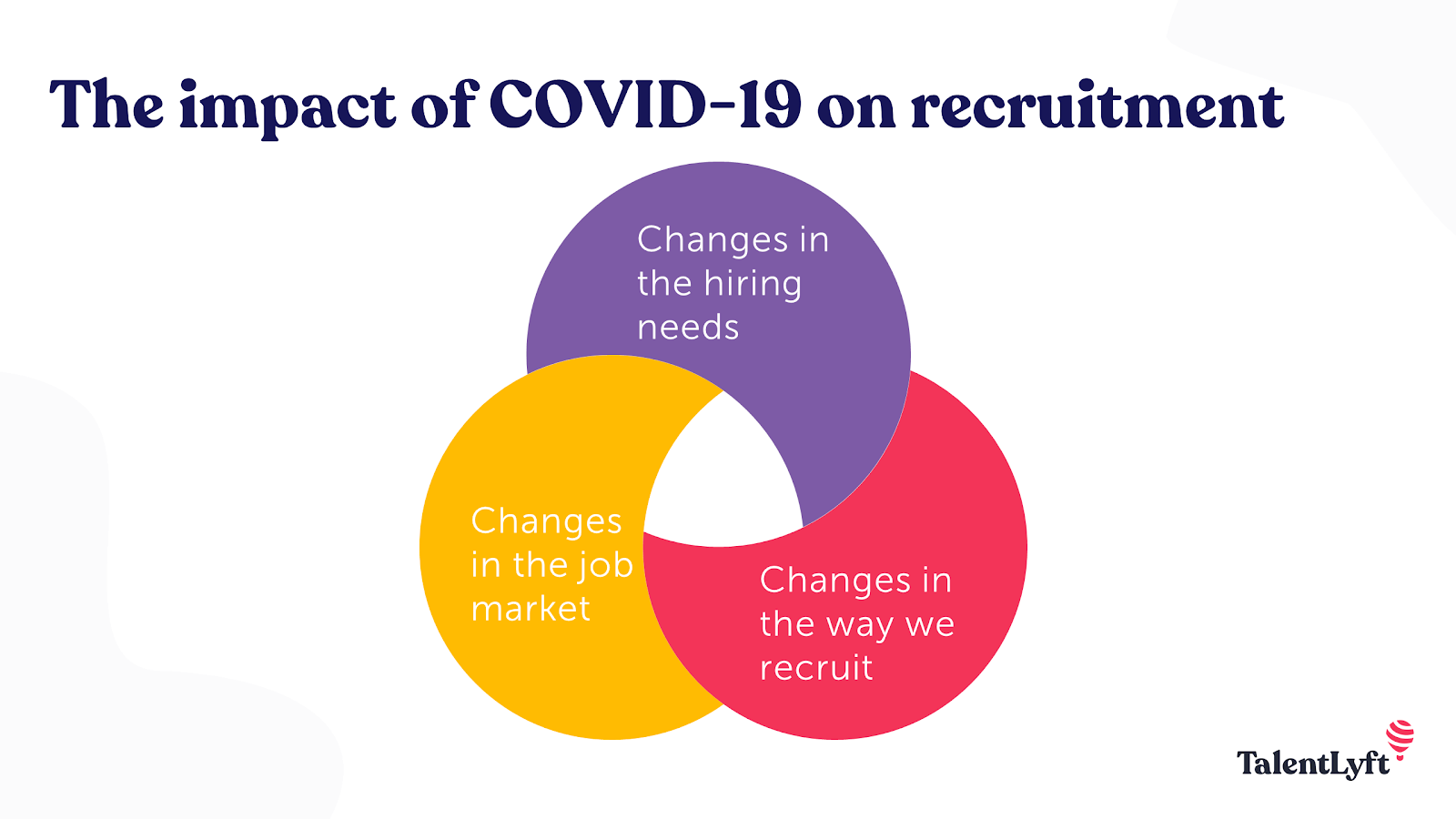
Let’s look at the main aspects of candidate engagement during the COVID-19 pandemic and review some important tips that can help your company to optimize the recruitment procedure.
What is candidate engagement?
Candidate engagement is the continuous procedure of interacting with candidates who have applied to your company for different positions. You can engage with them via text, email, social networks, or even face-to-face.
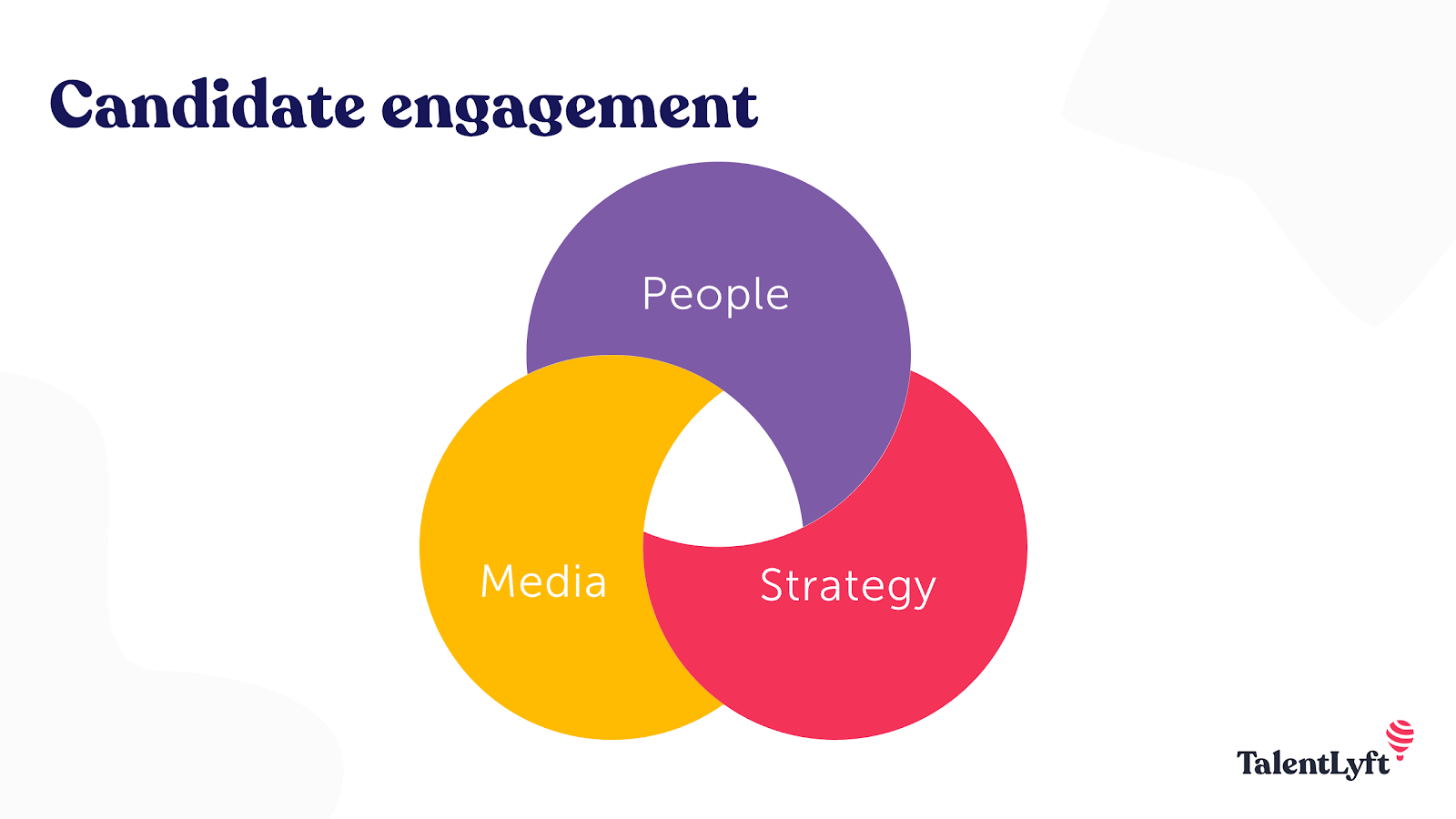
Generally, this process can be divided into three areas:
- People: who are involved in the process: your staff and candidates
- Strategy: that we take to engage with candidates
- Media: which tools will we use to implement, execute and measure.
Candidate engagement benefits
Good relationship management is key to attract the attention of candidates to your brand. With developing friendly relationships with candidates, you’ll find the chance to gain the trust of employees. Good candidate management can lead to hiring highly skilled employees soon with minimum price.
6 stages of candidate engagement
Generally, we can divide the process of candidate engagement into 6 separate stages:
Candidate engagement stage #1: Talent attraction
First, you have to attract the most talented job seekers with the help of various channels like career pages, job boards, emails, paid advertisements, social media, etc.
Candidate engagement stage #2: Segmentation
The segmentation of candidates is also another important stage in candidate engagement. You need to separate them with some metrics and tags like position, names, ages, skills, etc. Candidate segmentation helps recruiters focus on a specific group as a part of a larger audience and choose the best one easier.
Candidate engagement stage #3: Application
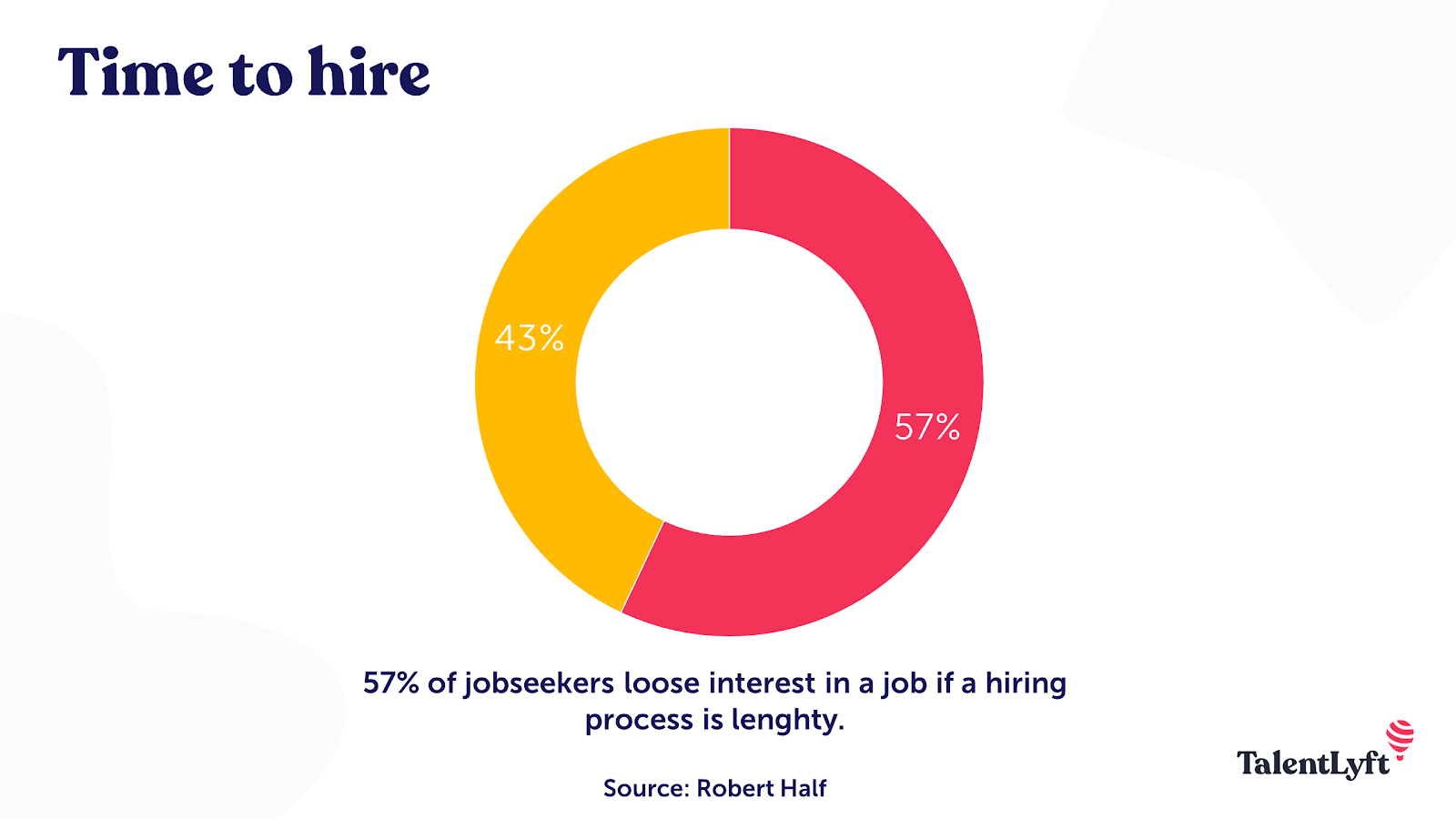
The easier the application process is, the better you can make a candidate pool. Remember that many candidates get rid of long boring application processes because they might think they won’t be accepted in that job.
Candidate engagement stage #4: Interview
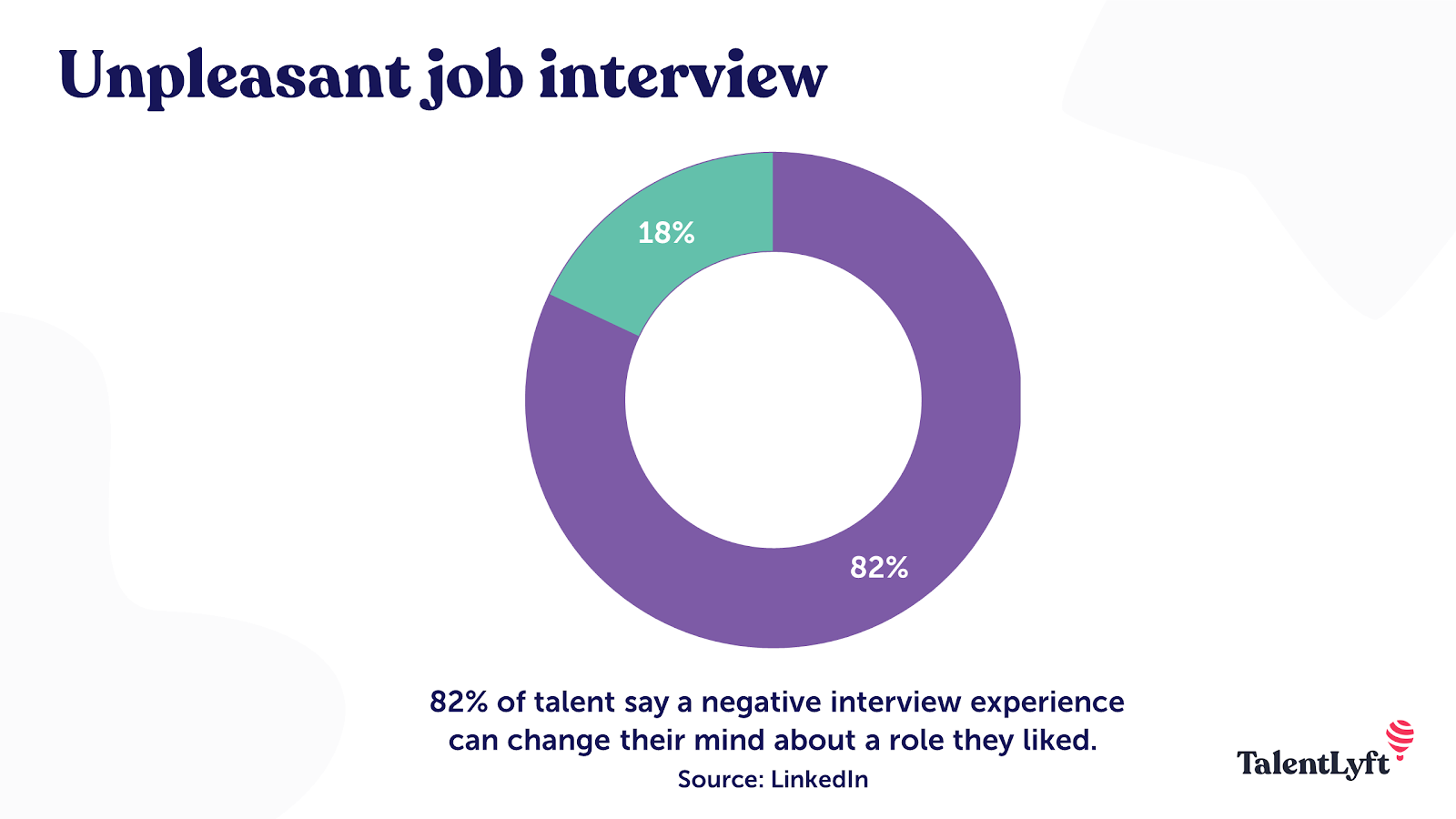
Interviewing is the most stressful stage for many candidates, as they might think that they can’t answer technical questions. You should avoid disparaging achievements of candidates because this will gradually dent your brand’s reputation.
Candidate engagement stage #5: Feedback
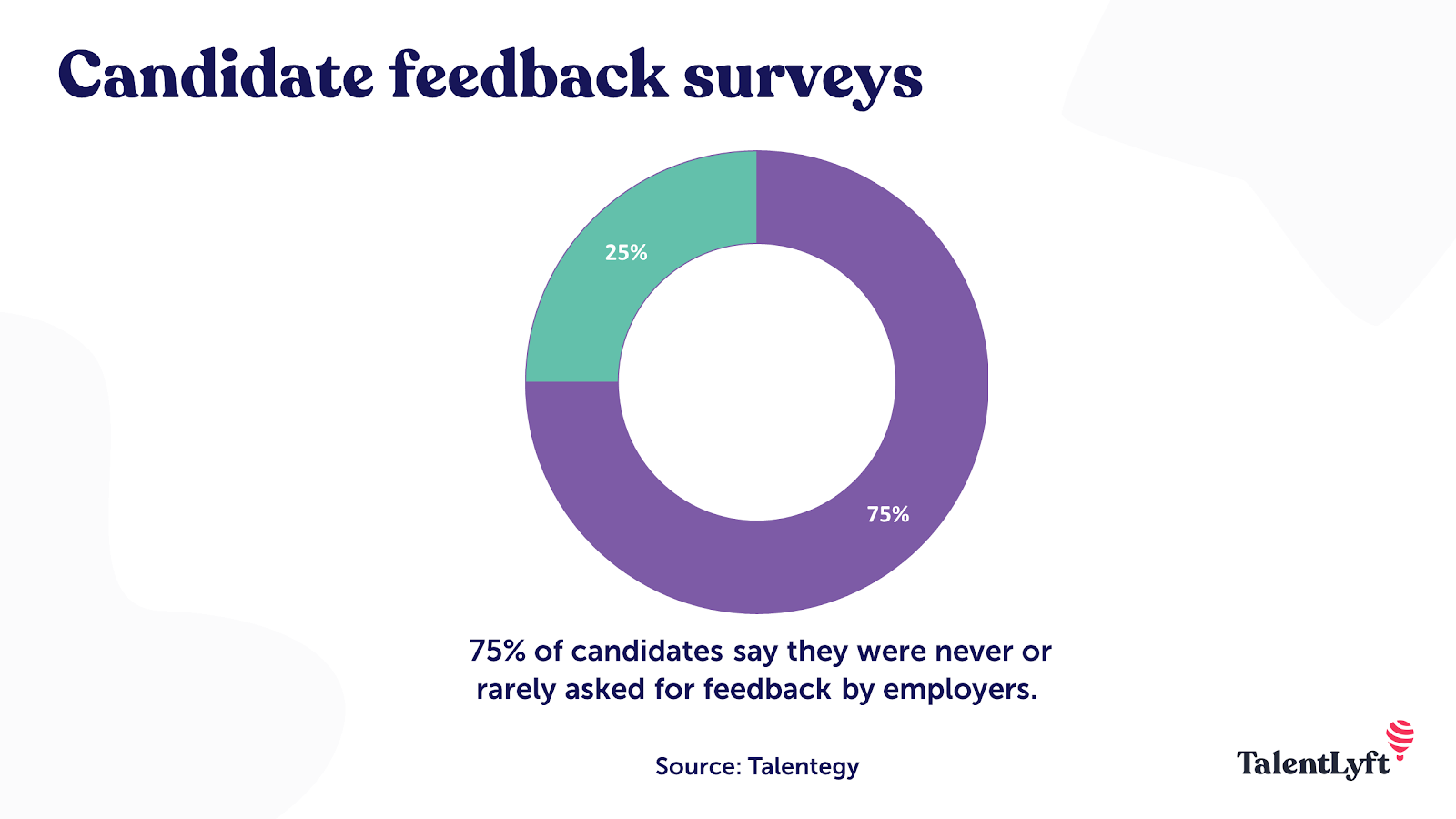
Feedback management is a must in every effective candidate engagement process. Analyzing feedback data can be a valuable source of insightful information for your company for the next round of recruiting.
Candidate engagement stage #6: Offer management
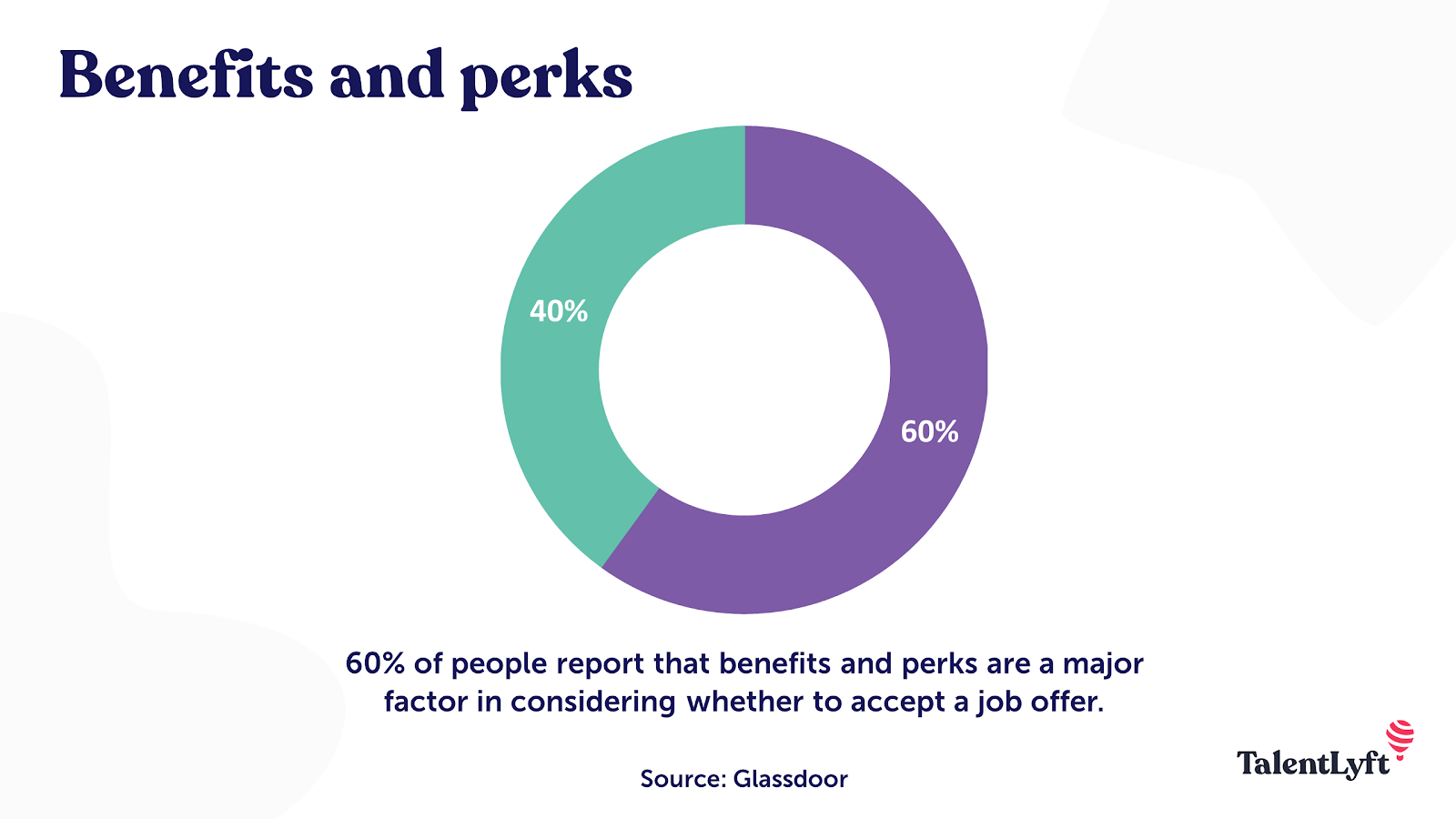
When choosing suitable candidates, you need to be careful about offerings. You have to avoid exaggerating the perks while you’re trying to entice more skilled candidates to accept the position.
How to enhance candidate engagement in the time of crisis
It’s obvious that this process can’t be like what it was before the outbreak of the coronavirus. With the existing limitations and social distancing orders, remote means of communication are highly recommended.
So it’s good to revise your recruiting procedure and optimize your strategy so that you can get the best result remotely. Here are some useful tips to help your company have better candidate engagement during the COVID-19 pandemic:
#1 Use the right social network for job advertisements
COVID-19 has caused many companies to stop recruiting, and subsequently, many job seekers don’t search for the job.This can be veryharmful to both individuals and companies because the process of finding qualified employees willbe more difficult.
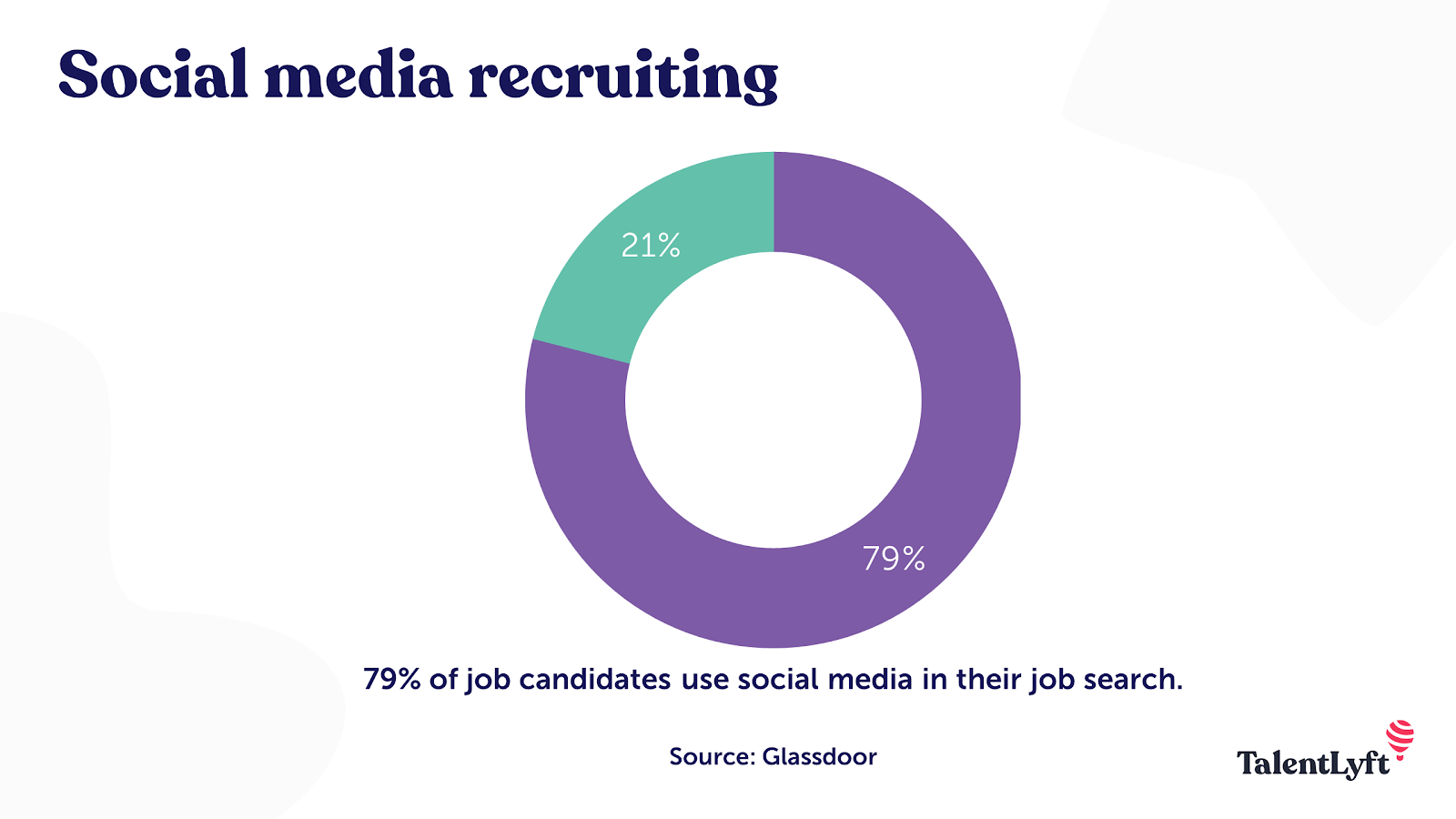
The best choice to prevent this from happening is to use social media recruiting. More than 3.8 billion people, mainly youngsters, are using social media across the world. So you can’t find any better channel to reach out to such a huge number of people, most of whom are in the working age. This is specifically important during the lockdowns because the use of social media has skyrocketed.
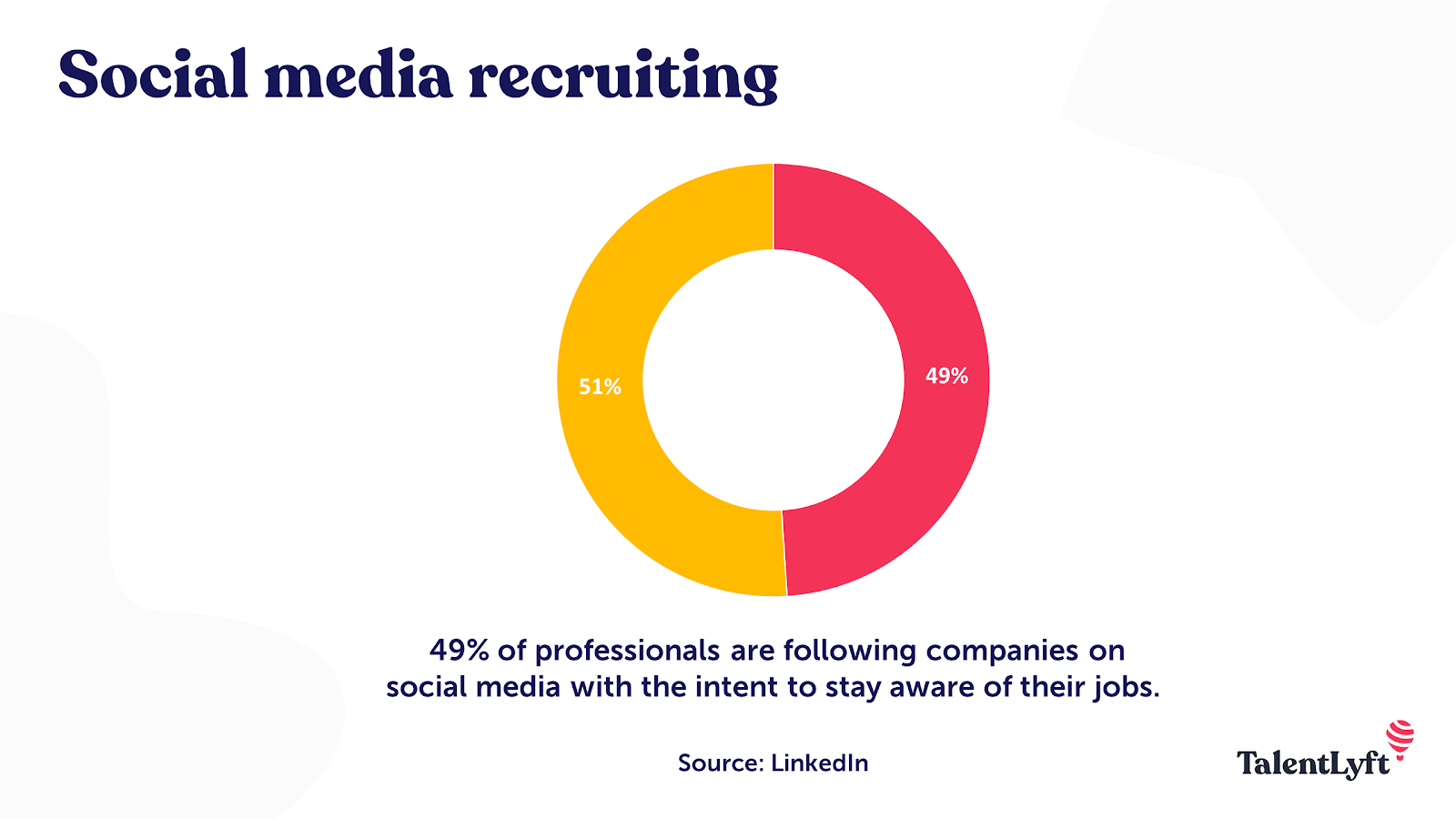
Also, the attitudes of many recruiters and even students have recently shifted towards making money using social media platforms, especially Instagram. So you can easily reach out to them or make them share your job advertisements. Of course, many of them might charge you for promoting your content.
Along with some specific sites like UpWork, Freelancer, and FreeUp, some social networks are focused on jobs. For Instance, LinkedIn is one of the best social media platforms for job advertisements. With more than a whopping 500 million users, LinkedIn is focused on jobs, employment, and generally business-related matters.
This is a must for every company that wants to recruit during the COVID-19 pandemic or even in the aftermath of that. Apart from job advertisements, perfect communication features of the platform make it suitable for managing the candidate engagement process.
As another example, ResearchGate is perfect for jobs related to the university and other research positions. Universities and research centers across the work can advertise their open positions to find the best candidates for their institutions.
#2 Declare your metrics for the pre-selection stage
One of the most important concerns of candidates is that they don’t know if they’re qualified for the job or not. So many of them constantly send their resume to as many companies as possible. This can cause serious problems for you when choosing the right candidate.
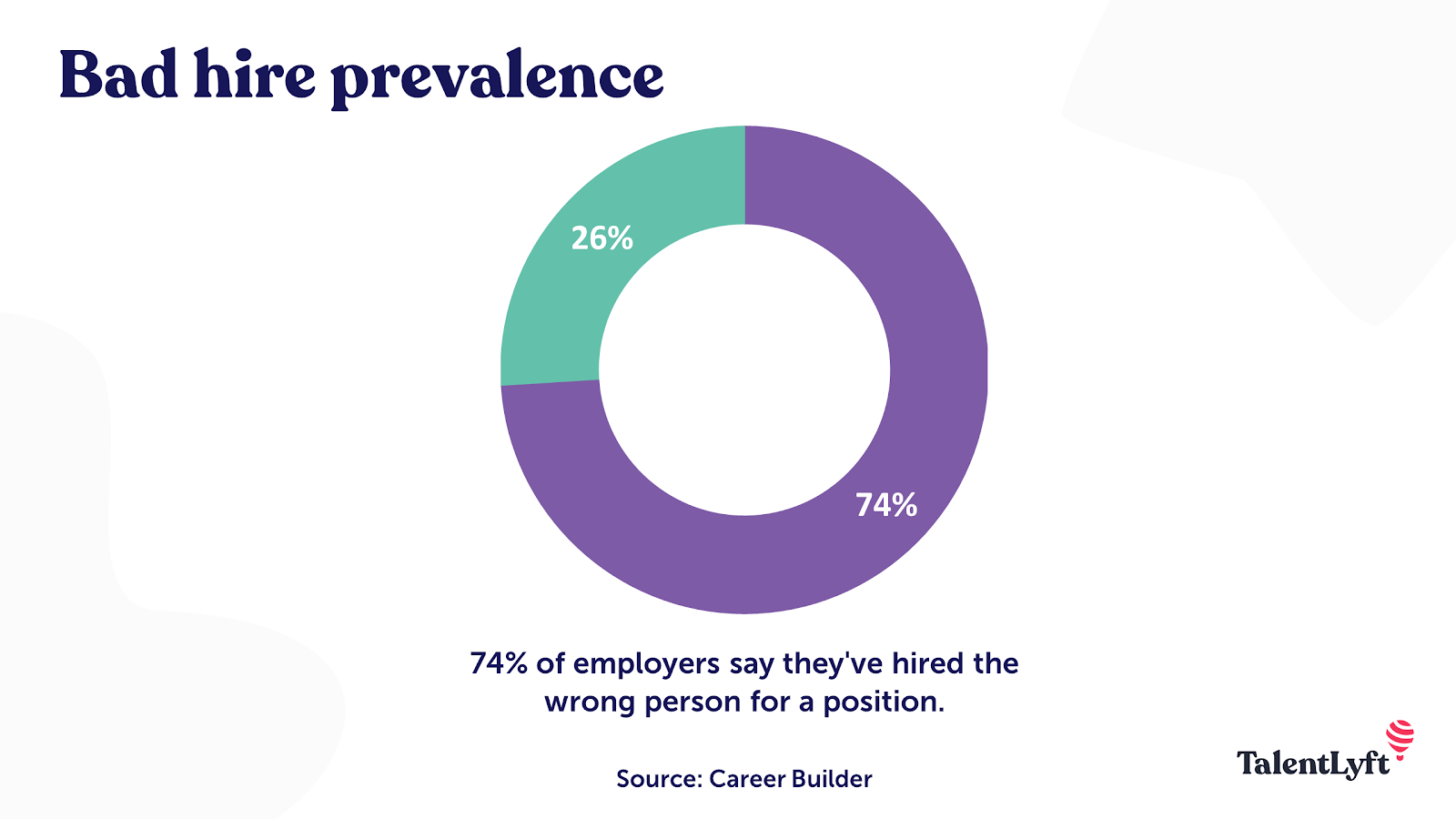
Try to define and declare metrics for qualifications so that they know if they’re in range. This can filter many candidates and save you time. You can define automatic response bots to let candidates know their results in the pre-selection stage.
#3 Send a confirmation email
Many companies avoid sending confirmation emails. This isn’t a good approach at all because many candidates will bother and think that you have not read their email. You’d better inform them that you’ve received their email and have spent enough time to consider their job application. Otherwise, you are at the risk of providing a bad candidate experience.
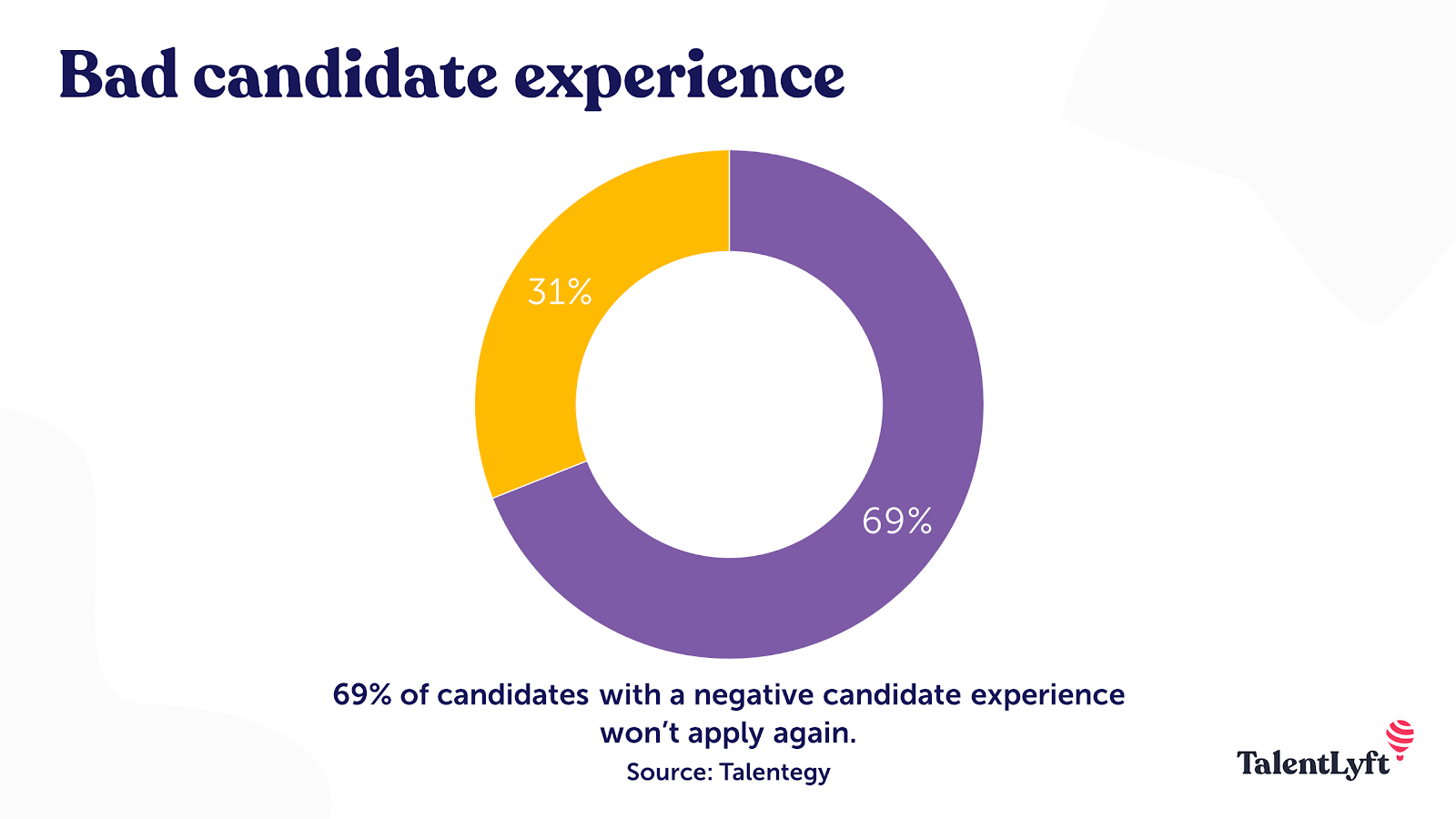
It’s good to let them know the timeline for the application so that they can consider applying for other positions. Confirmation emails can contain some informative attachments about the skills you need for different positions in your company. This will help candidates find similar jobs and encourage them to share it with their friends which is a kind of email marketing for your brand.
#4 Define online procedure and templates for candidate engagement
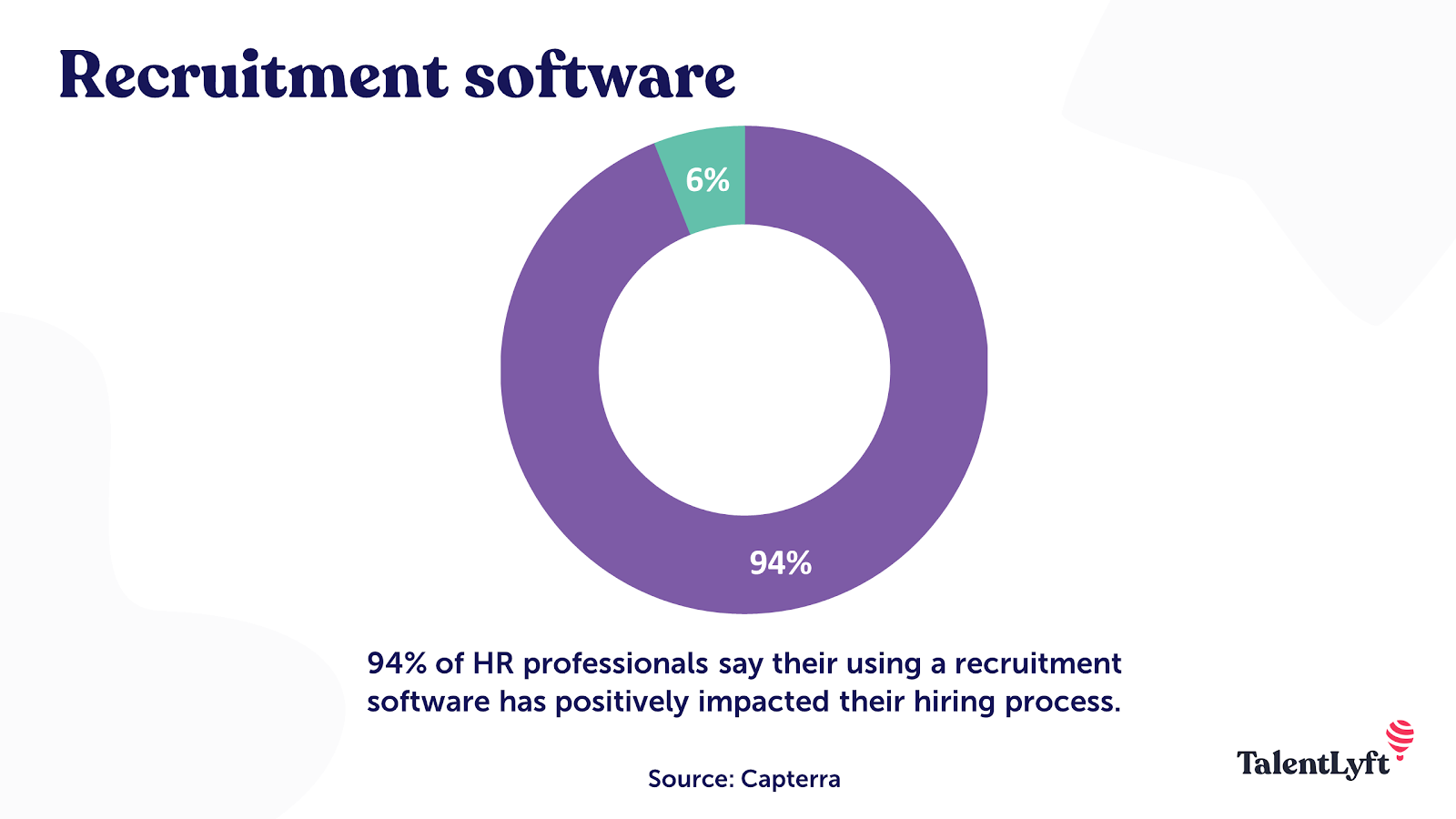
You have to forget old-fashioned forms, documents, and managing procedures. In the time of crisis, you need to define new sets of templates and work with new tools for different parts of the recruiting procedure.
For example, you need to forget using Google Doc and Sheets for collecting candidates’ CVs or other information and tools like Calendly for managing the interview times is necessary. Instead, invest in specialized recruitment software created to automate and digitize your hiring process.
#5 Consider using video interviews
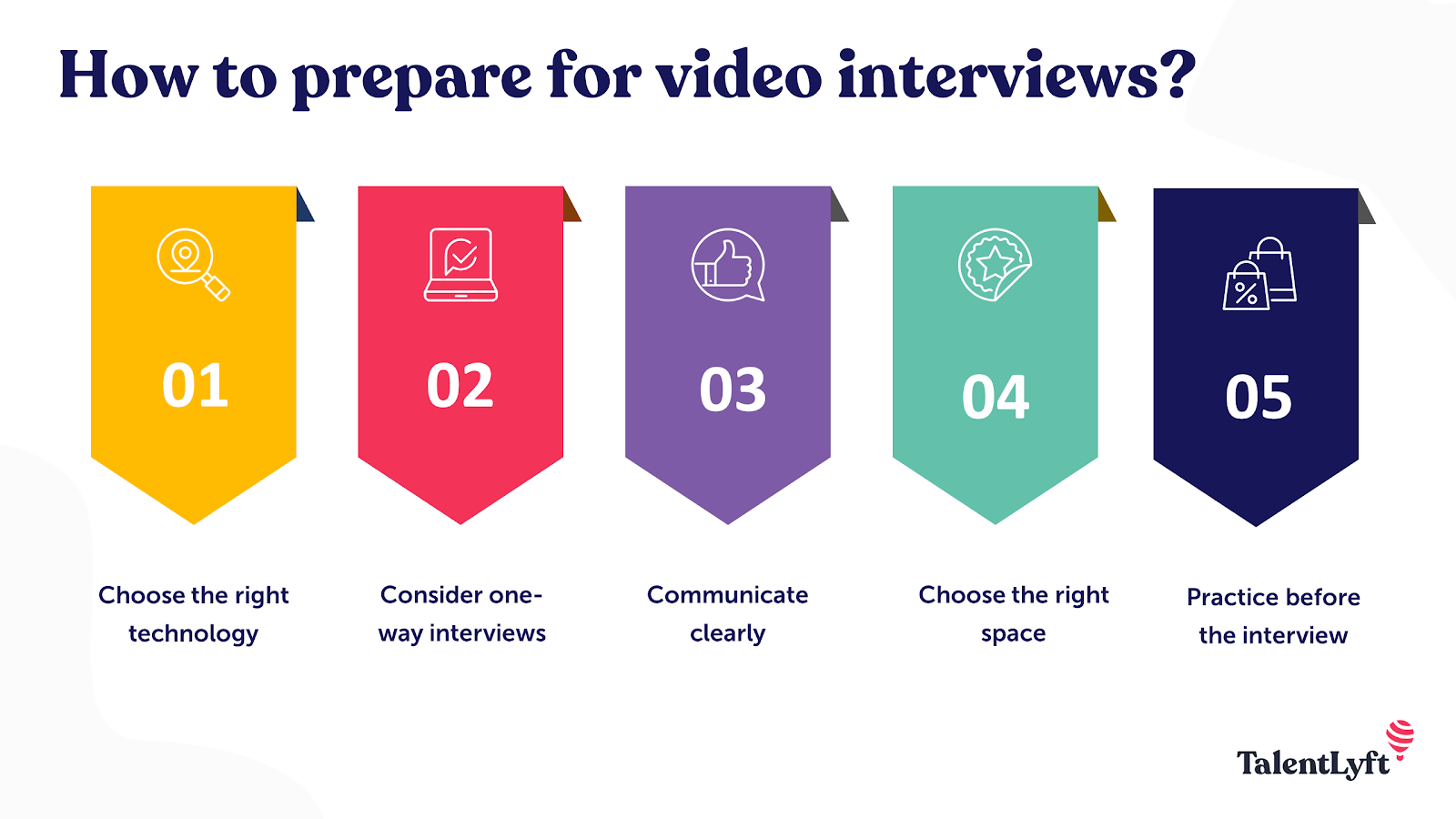
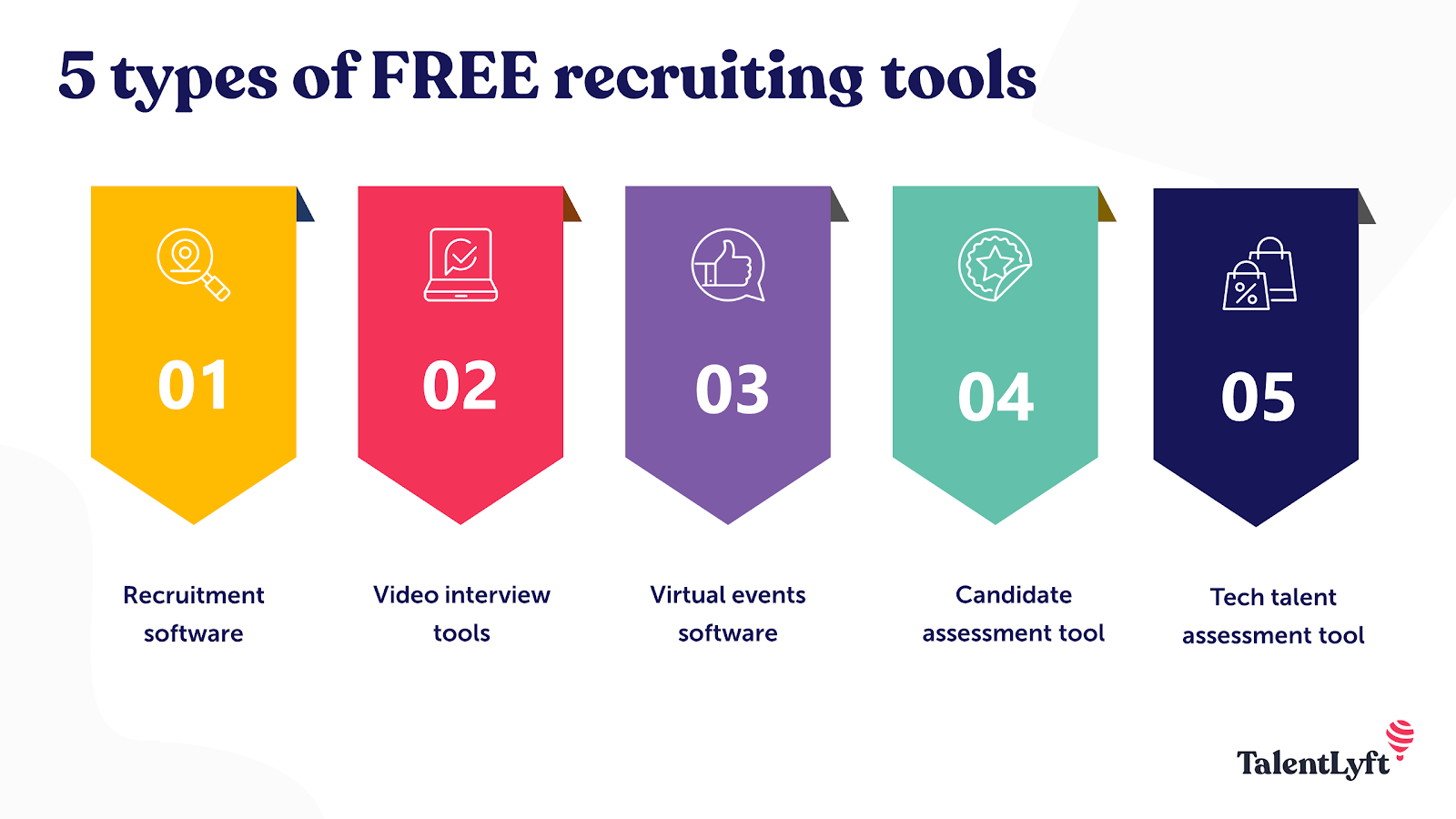
Other online tools are also necessary for the interview procedure. Try to offer different choices for candidates so that they don’t face troubles. This is strongly related to your region, but there are some tools that are globally popular like Skype, Zoom, etc. Check out the top 7 FREE video interview software!
Using online messaging platforms for recruiting like Whatsapp instead of email is also recommended. Because checking emails is somehow more difficult than checking these messaging tools.
#6 Ask for remote working capabilities
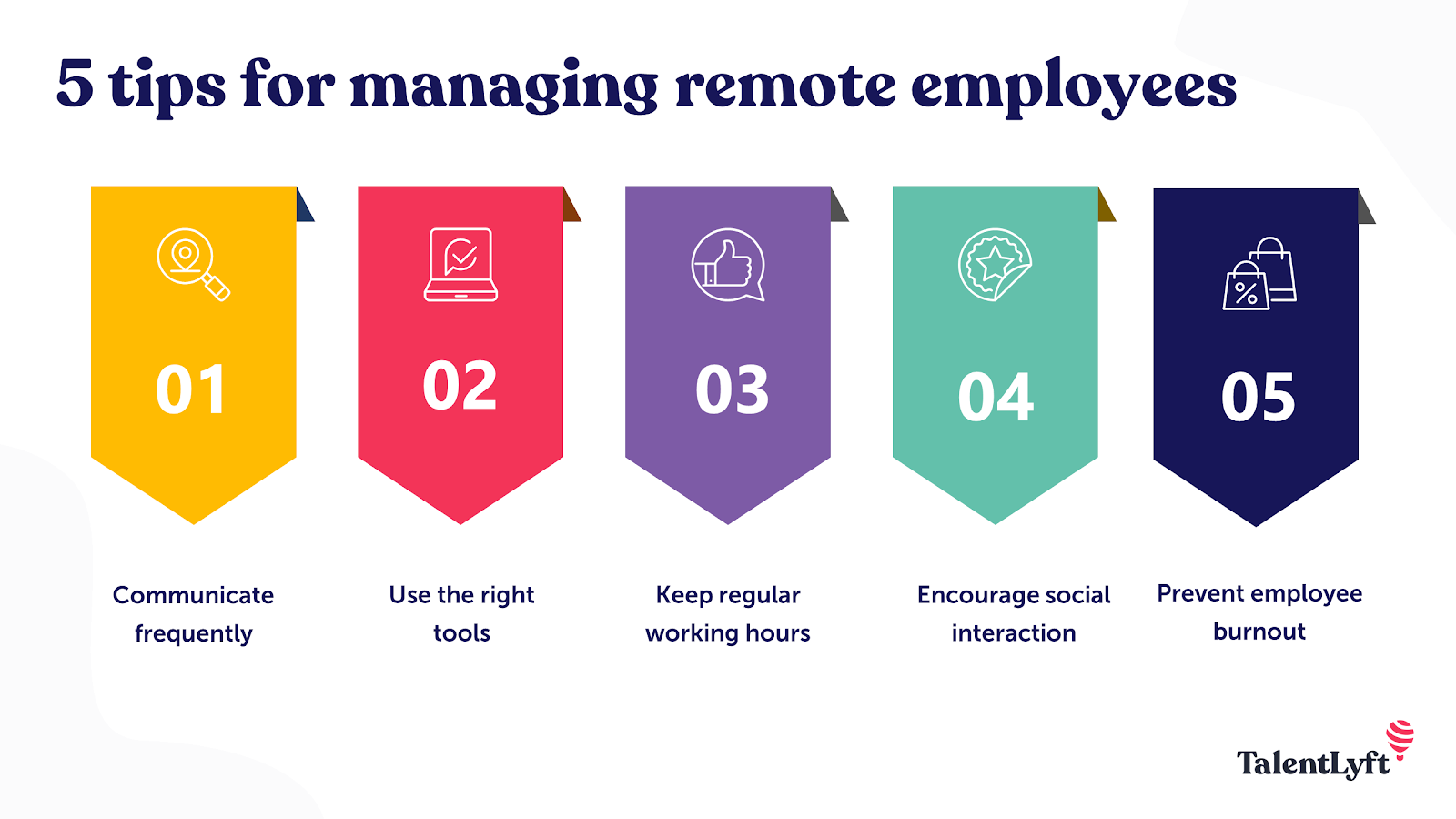
You’re forced to assign some parts of your tasks to remote employees. So try to search for those who’re able to work remotely and do their best at home. Learn what to look for when hiring remote employees, so you can build a productive and reliable remote team.
This requires candidates to have a calm environment at their home along with tools like a pc and software. Try to insist that you need them to be online at the working hours and inform them of their tasks properly.
#7 Give feedback and ask for feedback
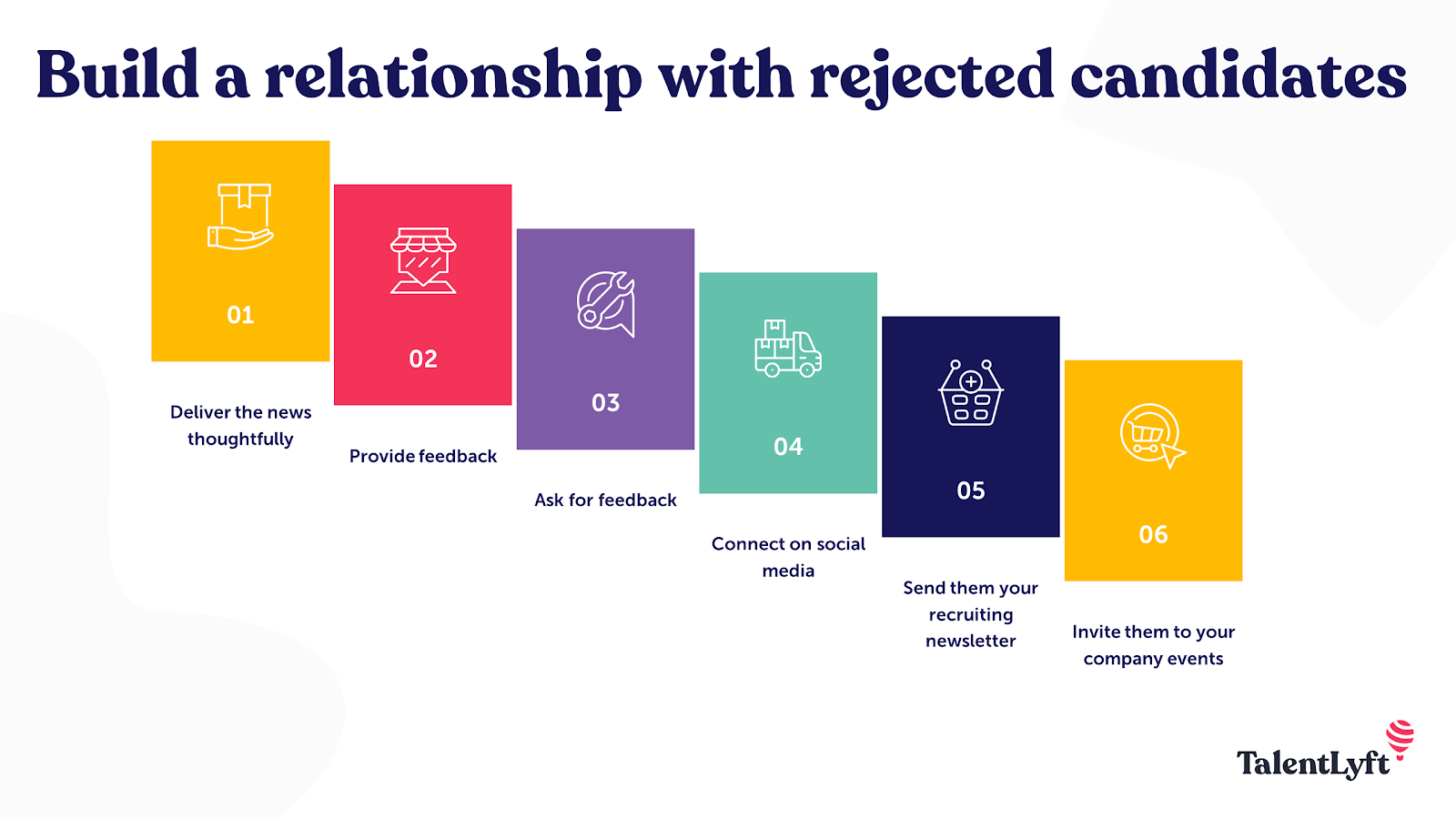
Many candidates complain that they don’t know why they’ve been rejected. You’d better send feedback to them and politely explain why they’re not the selected candidate.
You can also ask them for their feedback to know if anything is missed in the process by conducting a candidate engagement survey. This can significantly help you to optimize the process of candidate engagement. Try to make them feel they’re important to you even if they’re rejected.
Conclusion: Improve your candidate engagement during COVID-19 and beyond!
The candidate engagement process is even more sensitive in the time of the Corona crisis. You need to revise your recruiting procedure and optimize it for the new normal. It’s good for you to take advantage of the most recent online tools to simplify the process of candidate management.
About the author
Tom is an online marketing expert with more than 5 years of experience in this digital industry. He is also collaborating with some well-known brands in order to generate traffic, create sales funnels, and increase online sales. He has written a considerable number of articles about social media marketing, brand marketing, blogging, search visibility, etc.
Applicant Tracking, Recruitment Marketing, Sourcing and Talent CRM software are powerful alone, but unstoppable when used together!


