Revamp Your Employee Training
- Guest Author
- August 26, 2019
Why do you need to improve your employee training program?
How to improve your employee training program?
1) Out with the old, in with the new
2) Get new employees acquainted with company culture
3) Set expectations, track progress
4) Delegate and distribute welcoming duties
5) Make introductions, ASAP
6) Get more comprehensive feedback
7) Put your own spin on it
Improve your training program today!
About the author
Applicant Tracking, Recruitment Marketing, Sourcing and Talent CRM software are powerful alone, but unstoppable when used together!
Employee training and onboarding programs can easily become stale, boring, and out-of-date – which won’t stand a chance against companies with unique culture and training opportunities. Discover how to revamp your employe training program effectively!
Why do you need to improve your employee training program?
With cool startups, Google, Apple, and the like ruling the company culture landscape, it can be hard for your company to keep up with competitive wages, perks, and opportunities.
But if there’s one thing you should address right now, it’s improving your onboarding process and revamping your employee training program.
➡️ Download free Candidate Interview & Employee Onboarding Checklist !
Why should you focus your efforts on the newbies, you ask? Besides improving skills and training effectiveness, taking this step can also help position your company as an industry leader, and ultimately, make it a more desirable place to work!
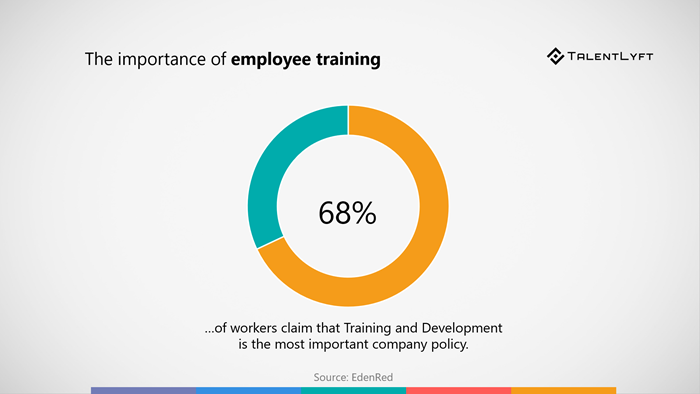
If you’re still not convinced that a refreshed and refined training program is just the thing your workplace needs, read on for our top 7 reasons and ways to switch up your staff training structure ASAP.
How to improve your employee training program?
Here are 7 key tips for improving your current employee training program:
1) Out with the old, in with the new
No matter what industry you work in, we can pretty much guarantee that you’ll see some changes to your work daily, weekly – or at the very least, every few years. Whether that means you’re adopting new technology, procedures, or policies, you need to make sure both your current staff members and new hires are aware of any relevant company and industry changes.
The best place to do this is during employee trainings, of course! But in order to have the most current information on hand, you’ll have to make occasional updates to your training documents and sessions. There’s not a definitive standard as to howoftenyou should review and update your training as every company is different, but try to make it a point to review trainings each time you hire someone new.
Ask yourself (and the trainee),is this method still effective, is the information relevant,andwhat can be improved?Take note of any immediate changes that need to be made and be sure to make appropriate adjustments before you hold another training session.
What about current staff?They should be trained and retrained too! Just because you’ve already onboarded them, doesn’t mean you get to go into “set it and forget it” mode. Your staff should always be kept in the loop on company updates, industry changes, and new policies – especially if you work in a specialized field like healthcare or law.
2) Get new employees acquainted with company culture
The onboarding process is a new hire’s first chance to get really acquainted with your company and its culture. Sure, they got a sneak peek in the interview process – but now that they’ve accepted their job offer, they’re ready to be fully immersed in company culture!
Employee training and onboarding programs can easily become stale, boring, and out-of-date – which won’t stand a chance against companies with unique culture and training opportunities (think Google).
Your new employee training program should reflect your culture and set the tone for the employee’s success and happiness as they grow within the company. Even on their first day on the job, your new hire should feel comfortable and secure within the work environment you’ve so carefully curated.
Here are a few ways you can highlight company culture within your training program:
● Create a “ swag bag ” filled with branded materials: pens, shirts, notepads, etc.
● Explain company perks like unlimited PTO, company trips, and networking opportunities to get them excited about their future there.
● Take your new hire out to lunch or happy hour to give them a chance to get to know their team in a more casual environment.
● Encourage new employees to ask questions – don’t assume they’ll figure it out on their own. There’s nothing worse than feeling lost and alone in a new job, so make sure to make room for a Q&A session during trainingandimplement an open door policy so that they can answer questions on their own terms!
3) Set expectations, track progress
In between introducing staff members and explaining policies and procedures, in your revamped training program, you should take some time to explain how you will evaluate employee performance and progress. Not only will this help you set expectations, but it will also give them a better understanding of how they can meet and exceed expectations if they want to advance within the company.
Pro Tip from Jeff Arnett, CEO of Arnett Credentials:
Include a ‘pathways to success’ document in your training paperwork to show exactly how employees can move up in the ranks. Leave a place for trainees to list out some initial goals to inspire them right from the start.
4) Delegate and distribute welcoming duties
While you’re restructuring your training program, be sure to diversify by assigning different staff members to each presentation and activity. This helps the trainees familiarize themselves with other departments and employees quickly, and can also save on time spent training among each staff member.
You might find that different trainers have different onboardingresults, so be sure to get feedback from the trainee so that you only have the best of the best training your new hires.
5) Make introductions, ASAP
Starting a new job is intimidating for everyone, even for extraverts! A successful leader always makes sure their new staff member(s) feel welcomed the moment they step into the office. This starts by making introductions as soon as possible. But before you start firing off names and departments to the new guy, you may want to be more strategic about your intros.
Consider adding a flowchart with names, departments, and job roles in your training documents to help organize the inevitable name confusion during those first few weeks. Additionally, direct the new hire to your website bios to help them get to know their new coworkers .
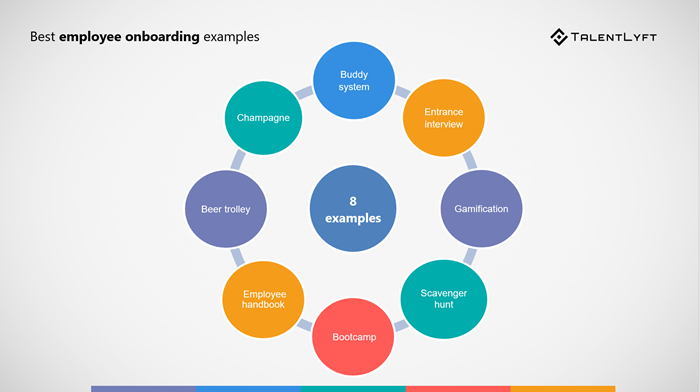
Don’t stop there, the name game isn’t done just yet! Besides giving your new hires tools to learn office names, make sure you make introductions personal and casual. Host a team-bonding event, go out for happy hour, or pair them up with a training buddy to help ease the job transition. If you’re looking for additional great ideas you can apply in your own onboarding process, check out employee onboarding examples by experts !
6) Get more comprehensive feedback
Making feedback a part of your new and improved training process should be among your top priorities. Why? Training takes a lot of effort (and money) to do effectively. If you find out your training process is more of a waste of time than a resource, you should take immediate action to address the issues at hand.
Pro Tip from Brian Kelley VP of BCCU:
When you’re rethinking your training plan, be sure to include a space for recently onboarded staff to give their feedback. You can do this in the form of a survey, or simply encourage the new hire to send an email to the organizer with comments, suggestions, and questions to help you improve the process.
Make sure to explain how you intend to use the feedback, and let them know why it’s important to you, to help motivate them to participate. If you’re looking for an example, check out this great sample of employee onboarding survey questions !
7) Put your own spin on it
The days of dry employee handbook and training guides are far behind us. If you want to keep up with the competitive hiring market, your employee handbook has to be interesting and training program has to be unique , and they need to reflect your one-of-a-kind company culture.
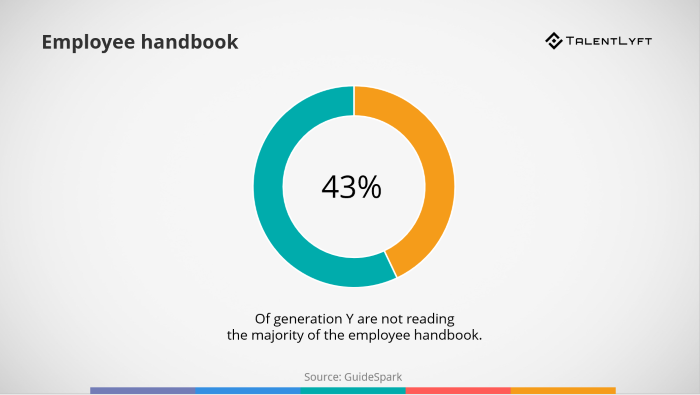
This doesn’t mean you have to retire your highly detailed training manual and onboarding documents, but rather, you should consider how you can make your training program your own.
Whether that’s teaching your new hires your company chant, explaining quirky inside jokes, or taking them to your favorite local happy hour dive – it’s totally up to you to make your training program unique.
Improve your training program today!
Revamping your training and onboarding program keeps things exciting for your staff and training managers, and ensures your information is always current – never dull.
So what will you do today to improve your training program? Have you thought about making your employee training digital ?
About the author
This guest blog was written by Emily Banks . She is a Bay Area Native who got tired of SF’s cold beaches and decided to move to San Diego. She is currently the editor for the HR section of 365 Business .
When she is not typing away on her office keyboard, she can be found eating street tacos in the sunshine.
Applicant Tracking, Recruitment Marketing, Sourcing and Talent CRM software are powerful alone, but unstoppable when used together!


