Organizational Development
- Content Team
- April 1, 2024
Applicant Tracking, Recruitment Marketing, Sourcing and Talent CRM software are powerful alone, but unstoppable when used together!
Organizational development refers to the planned process created to impact a company’s organizational level through improvement of organization’s effectiveness, productivity, and overall employee job satisfaction.
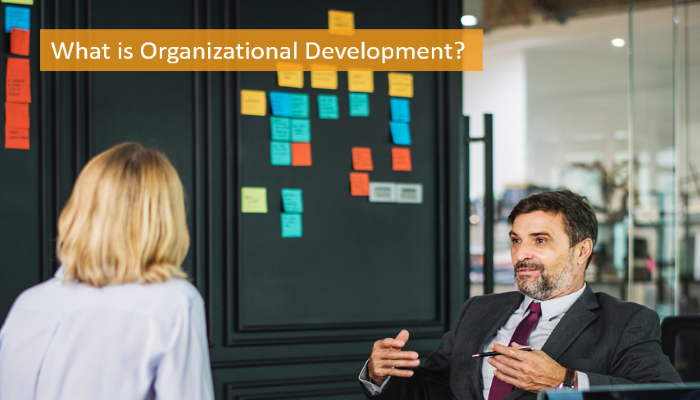
Organizational development definition
Organizational development refers to the planned process created to impact the company’s organizational level through the improvement of the organization’s effectiveness, productivity, and overall employee job satisfaction. It is the planned and long-term strategy of change management.
Organizational development is a process carried out through training and development programs of employees.
Organizational development methods
Team Building: Activities and exercises designed to enhance the functioning of work groups. This might include clarifying team goals, improving interpersonal relations, solving team problems, and making decisions.
Organizational Assessments: Conducting assessments to understand the current state of the organization. This can involve employee surveys, interviews, and observation to identify areas of strength and areas needing improvement.
• Career development
Training and Development: It includes providing training and development opportunities to employees to enhance their skills and capabilities. This development is aligned with the organization’s needs and goals.
Leadership Development: Focusing on developing leadership skills at all levels of the organization. This can include coaching, mentoring, and leadership training programs.
Team Development and Collaboration: OD emphasizes improving teamwork and collaboration within and across departments. This can involve team-building activities, conflict-resolution training, and communication workshops.
Change Management: OD involves managing and guiding change in an organization. This includes understanding how change impacts employees and creating strategies to manage change processes smoothly.
Performance Management: Developing effective performance management systems that align with organizational goals and help employees understand their role in achieving these goals.
Feedback Systems: Implementing and maintaining effective feedback systems to help the organization and its employees grow and improve.
Importance of organizational development
Boosting Organizational Performance: OD helps in improving overall organizational performance by aligning strategies, processes, and people with the organization’s objectives. It ensures that all aspects of the organization work in harmony towards common goals.
Improving Employee Engagement and Satisfaction: OD initiatives often focus on improving the work environment, culture, and employee engagement. Happy and engaged employees are more productive, creative, and committed to the organization’s goals.
Building Better Teams: Through team-building activities and interventions, OD strengthens the dynamics of working groups, enhancing communication, cooperation, and productivity.
Promoting Employee Well-being: Many OD initiatives focus on improving work-life balance, health, and well-being, which are increasingly important for attracting and retaining talent.
Sustaining the Organization: The long-term sustainability of an organization is supported by continuous OD efforts, ensuring that the organization remains viable, competitive, and successful over time.
Applicant Tracking, Recruitment Marketing, Sourcing and Talent CRM software are powerful alone, but unstoppable when used together!