Top 10 Characteristics Every Good Interviewer Has
- Anja Zojceska
- October 17, 2018
What is the single most important characteristic of a good interviewer?
Characteristics of good interviewers
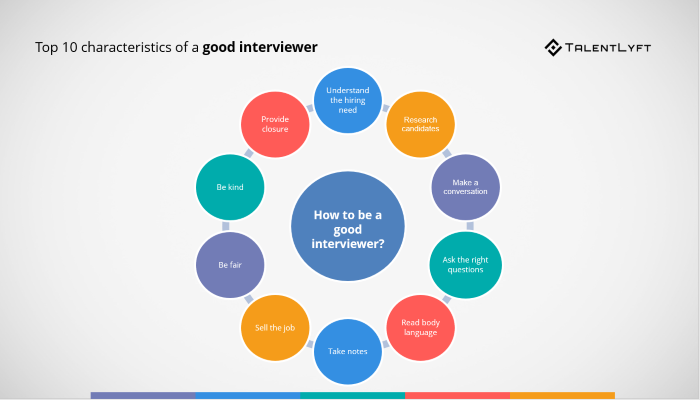
Characteristic #1: A good interviewer understands the hiring need
Characteristic #2: A good interviewer researches the candidate
Characteristic #3: A good interviewer makes a conversation
Characteristic #4: A good interviewer asks the right questions
Characteristic #5: A good interviewer is a body language expert
Characteristic #6: A good interviewer is an accurate note-taker
Characteristic #7: A good interviewer sells the job
Characteristic #8: A good interviewer is fair
Characteristic #9: A good interviewer is kind
Characteristic #10: A good interviewer provides closure
How many characteristics of a good interviewer do you have?
Interviewer characteristics [INFOGRAPHIC]
How can you become a better interviewer?
Frequently asked questions
Applicant Tracking, Recruitment Marketing, Sourcing and Talent CRM software are powerful alone, but unstoppable when used together!
Discover which top 10 characteristics separate the good interviewers apart from the bad ones. Don’t worry if you don’t recognize all of them in yourself – most of them can be easily learned and trained. All you need are my pro tips and tricks and a little bit of practice!
What is the single most important characteristic of a good interviewer?
Conducting an interview with a job candidate might seem easy to inexperienced interviewers. Many business owners and managers think that conducting a job interview is as simple as asking candidates a few job-related questions.
That is the problem and the reason why 74% of employers had to face the fact that they’ve hired the wrong person for a position, according to a recent CareerBuilder survey.
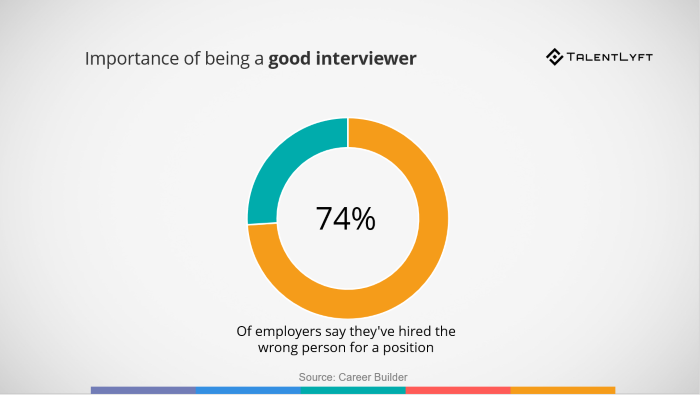
This staggering statistic highlights the fact that choosing the right person for the job isn’t easy at all! Conducting effective job interviews is a very demanding and complex process. This is why the whole interviewing process must be extremely well-planned.
➡️ Download The Ultimate Candidate Interview & Employee Onboarding Checklist!
Good interviewers spend a lot of time planning and preparing for the interview. This is their single most important characteristic!
Of course, there are many more characteristics that all good interviewers share. In the following text, I will provide a brief outline of the top 10 characteristics of a good interviewer.
Characteristics of good interviewers
Do you have what it takes to be a good interviewer?
Here are the top 10 characteristics that set good interviewers apart from the bad ones:
Characteristic #1: A good interviewer understands the hiring need
A good interviewer really understands the hiring needs. One of the most important characteristics of good interviewers is that they understand both the job position that needs to be filled and the company they are hiring for.
By combining customized job description templates and their knowledge of a company, good interviewers create a profile of their ideal candidate – the so-called candidate persona .
Creating a candidate persona helps them get a wholesome picture of the person they are looking for – beyond mere job requirements.
Characteristic #2: A good interviewer researches the candidate
The second most important characteristic of a good interviewer is that he or she is knowledgeable not only about the role and the company but also about candidates.
A good interviewer always conducts thorough research on candidates before the interview.
In order to prepare for the interview, a good interviewer carefully studies candidates’ resumes and cover letters and examines their portfolios, work samples and assignments. A good interviewer is familiar with candidates’ previous working experience, education and positions held and refers to this information during the interview.
Characteristic #3: A good interviewer makes a conversation
The third most important characteristic of a good interviewer is that he or she is a good communicator. A good interviewer leads a conversation, not an interrogation!
Good interviewers have a list of questions they ask all candidates. However, they do it in a way that seems like a free-flowing conversation. This a skill that takes some practice.
How to hone this skill?Listenmore. Have a true two-way conversation. Ask follow-up questions. Allow and even encourage candidates to ask questions. This will make them feel like you’re leading a conversation with them, not cross-examining them.
Characteristic #4: A good interviewer asks the right questions
The fourth characteristic of a good interviewer is that good interviewers know how to choose the best questions to ask job candidates .
A good interviewer carefully chooses the right interview questions. A good interviewer has a specific goal they want to achieve by asking every single question. They use questions to learn about candidates’ skills, their motivation and to assess theircultural fit.
That way, they are able to choose the best person not only for the job but also for the team and the company.
Characteristic #5: A good interviewer is a body language expert
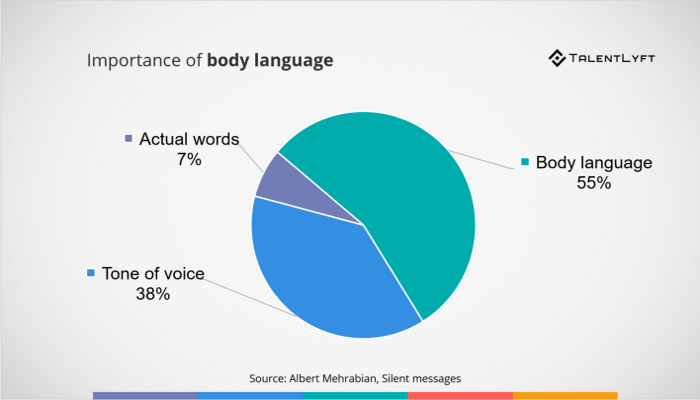
A good interviewer does more than listen to candidates’ answers. Good interviewers know that actual words are just a part of overall communication. They are aware of the importance of body language.
This is why good interviewers are trained in reading body language. They know exactly what they can learn from their candidates’ body language . They are able to connect verbal and nonverbal cues, notice contradictions and investigate them in an unobtrusive way.
Good interviewers are also aware of their own body language and use it to help candidates relax and feel comfortable.
Characteristic #6: A good interviewer is an accurate note-taker
A good interviewer makes notes during the interview. Good interviewers know that note-taking is the key to making a good hiring decision.
Good interviewers don’t fall into the trap of thinking that they will be able to remember all the relevant details. After seeing four or five candidates consecutively, even experienced interviewers can get mixed up.
This is why good interviewers prepare scorecards in advance and use them to make notes during an interview with each candidate. That way, they are able to make better and more informed decisions later.
Characteristic #7: A good interviewer sells the job
Another important characteristic of a good interviewer is that good interviewers know how the importance of selling the job to candidates.
They are aware that the best candidates have a lot of options, and do their best to use the interview experience to convince candidates to join their company.
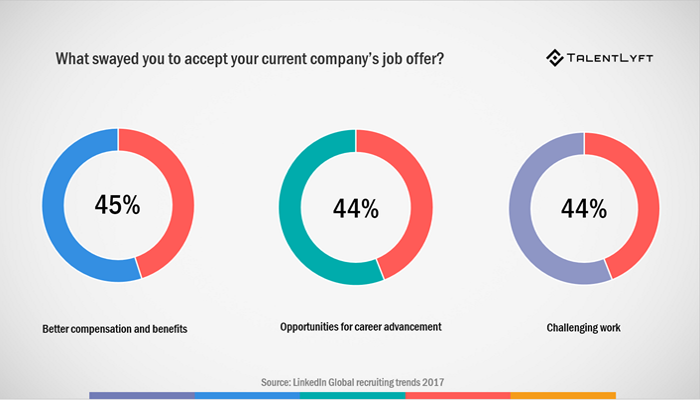
Good interviewers know that the best candidates look for more than a good paycheck. They are familiar with the company’s employee value proposition and know how to use it as a magnet for talent.
Characteristic #8: A good interviewer is fair
A good interviewer strives to be objective and fair. To achieve that, a good interviewer uses many different mechanisms.
For example, good interviewers conduct structured interviews , which means that they ask all candidates the same questions. That way they can compare candidates more accurately and fairly.
Good interviewers are also well-educated on the common unconscious interview biases and practice being self-aware of judgments they place upon candidates.
Characteristic #9: A good interviewer is kind
Another very important, but often underestimated characteristic of a good interviewer is kindness.
Kindness is a characteristic of being friendly and considerate, with a pleasant disposition. A good interviewer is considerate and always treats candidates with respect.
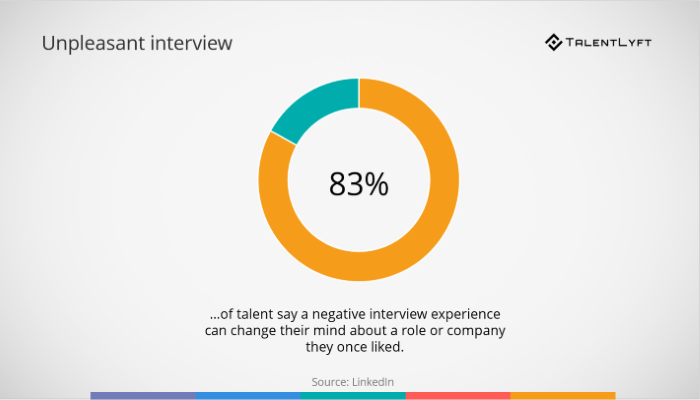
By making an effort to make a job interview pleasant, a good interviewer significantly improves candidates’ experience . A good interviewer knows the importance of treating candidates professionally and respectfully.
Characteristic #10: A good interviewer provides closure
The last, but not in any way the least important characteristic of a good interviewer is that a good interviewer always provides appropriate, timely closure for all interviewed candidates.
A good practice is to call the selected candidate and inform them that they got the job. After that, a usual procedure is to send a formal job offer email or letter to inform the candidate about the next steps.
A good interview also provides closure for all the rejected candidates by sending them a post-interview rejection letter or email in a timely manner. A good interviewer knows how to say “Sorry, you didn’t get the job” in a way to keep a positive image of their company’s employer brand.
How many characteristics of a good interviewer do you have?
Are you a good interviewer? How many of the above-listed top 10 characteristics of a good interviewer do you share?
If you don’t recognize these 10 characteristics in yourself, fear not – most of them can be easily learned and trained.
No one is born to be a good interviewer. Luckily, everyone can learn interviewing skills and develop the characteristics of a good interviewer.
All you need are the right resources and a little bit of practice!
Interviewer characteristics [INFOGRAPHIC]
![Interviewer characteristics [INFOGRAPHIC]](https://adoptoprod.blob.core.windows.net/article/Baiwpm-jckeQ_WTuCRamNQ.png)
How can you become a better interviewer?
Follow the tips outlined above and I guarantee you will become a good interviewer in no time!
And if you’re more ambitious and you would like to become the best interviewer, here are some additional resources to help you:
- Guide: How to be a good interviewer?
- Guide: Interview questions to ask candidates
- 10 best job interview questions
- Difference between structured, unstructured and semi-structured job interviews.
Frequently asked questions
What are the Essential Characteristics of a Good Interviewer?
Essential characteristics of a good interviewer include a deep understanding of the hiring need, thorough research of the candidate, effective communication skills, asking the right questions, and expertise in reading body language. These traits enable an interviewer to accurately assess candidates and select the best fit for the company.
How Important is Body Language Expertise for Interviewers?
Body language expertise is crucial for interviewers as it provides insights beyond verbal responses. Good interviewers are trained in reading body language, which helps them to connect verbal and nonverbal cues, notice contradictions, and investigate further. This skill enhances their ability to make informed hiring decisions.
Why is Note-Taking an Important Skill for Interviewers?
Note-taking is an important skill for interviewers as it helps in recalling specific details about each candidate, especially when interviewing multiple people. Good interviewers prepare scorecards in advance and use them to make notes during interviews, enabling better and more informed decision-making later on.
What Role Does Selling the Job Play in the Interview Process?
Selling the job is a key role in the interview process. Good interviewers understand that the best candidates have several options and use the interview to convince them to join their company. They highlight the company’s employee value proposition to make the role attractive beyond just the paycheck.
How Can Interviewers Ensure Fairness and Objectivity?
To ensure fairness and objectivity, good interviewers conduct structured interviews, asking all candidates the same questions. They are also aware of unconscious biases and practice being self-aware to avoid judgments. This approach allows for more accurate and fair candidate comparisons.
Applicant Tracking, Recruitment Marketing, Sourcing and Talent CRM software are powerful alone, but unstoppable when used together!


