HR Glossary

Organizational Culture

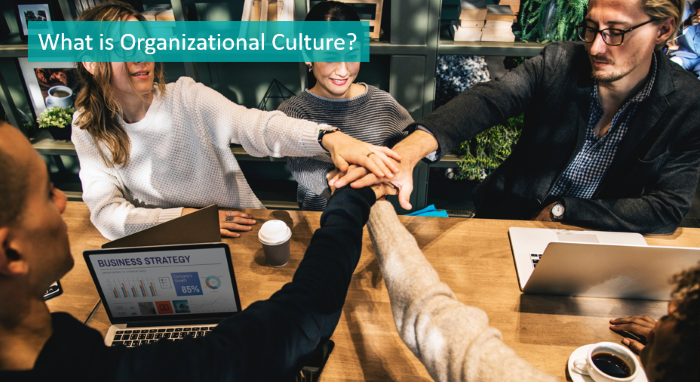
Organizational culture, also known as corporate culture, refers to the values, attitudes, beliefs and behaviors that characterize and contribute to an organization’s unique social and emotional work environment.
what-is-organizational-culture

Organizational culture definition

Organizational culture, also known as corporate culture, refers to the values, attitudes, beliefs and behaviors that characterize and contribute to an organization’s unique social and emotional work environment. Organizational culture is unique for every organization and one of the hardest things to change and consists of written and unwritten rules that have been developed over time.

Organizational culture segments

  • Organization’s expectations
  • Organization’s experiences
  • Organization’s philosophy
  • Organization’s values

How to measure organizational culture

The best way to measure organizational culture is through:

  1. The ways the organization conducts its business, treats its employees, customers and the wider community
  2. The extent to which freedom is allowed in decision making, creativity, developing new ideas and personal expression
  3. The way how power and information flow through its hierarchy
  4. How engaged employees are towards collective objectives
See TalentLyft in action

Applicant Tracking, Recruitment Marketing, Sourcing and Talent CRM software are powerful alone, but unstoppable when used together!


Related content

  • Ageism is a term which describes the process of discrimination that occurs due to a person’s age in the workplace. Definition of AgeismAgeism is a term which...

  • Contract recruiters are recruiters who work on a contract basis as a consultant to a company.Contract recruiters definition Contract recruiters are recruiters who work on a...

  • Data breach is an incident where sensitive, protected or confidential data has been taken from a system by an individual unauthorized to do so, without the...

  • Downsizing, sometimes referred to as layoff, is the process of company's permanent reducing of workforce by terminating the employment of employees.Downsizing definitionDownsizing, sometimes referred to as...

Explore more topics

  • Compensation and Benefits

    Compensation and benefits have always been among the top priorities to job seekers, and it will stay that way. But that is a good thing of course - because well-compensated employees who feel extra valued by additional benefits give more, and give their best. Because they have a reason to. Learn how to stand out in the talent market as an employer of choice, providing the best compensation and benefits plans, and getting the most productive and committed employees in return!

  • Recruitment by Industry

    Tailor your recruitment strategies to fit specific industries. Learn the unique challenges and best practices for hiring in sectors like healthcare, tech, retail, finance, and more. Discover industry-specific approaches to sourcing talent, crafting job descriptions, and optimizing your recruitment efforts for success.

  • Recruitment AI

    Leverage the power of Recruitment AI to enhance your hiring process. Discover how artificial intelligence can automate candidate sourcing, improve talent matching, reduce bias, and streamline decision-making. Stay ahead with AI-driven recruitment strategies that help you attract top talent efficiently and effectively.

  • Mobile Recruitment

    If you think job seekers look for jobs in the newspaper or on their desktop computers, think again. IT's 2023. and people use their phones for everything, including job searching. Learn how to meet them there and adjust your recruitment process to turn mobile recruitment into your biggest advantage.

  • Successful Recruiter

    Discover the key traits, strategies, and tools that make a recruiter successful. Learn how to build strong relationships, source top talent, and navigate the hiring process efficiently. Equip yourself with the skills and techniques to consistently find and secure the best candidates for your organization.

  • Mastering the Interview

    Conducting an effective interview means getting the best and most out of a candidate in a limited time frame. To do that you need to ask the right questions. From general questions to more strategic ones, here you'll find all the questions you need to get what you need to help you choose the best candidate.

Simple and affordable recruitment software